Stroke rehabilitation
Gentle, consistent support to help clients regain confidence, movement and independence at home.
What stroke rehabilitation looks like with us.
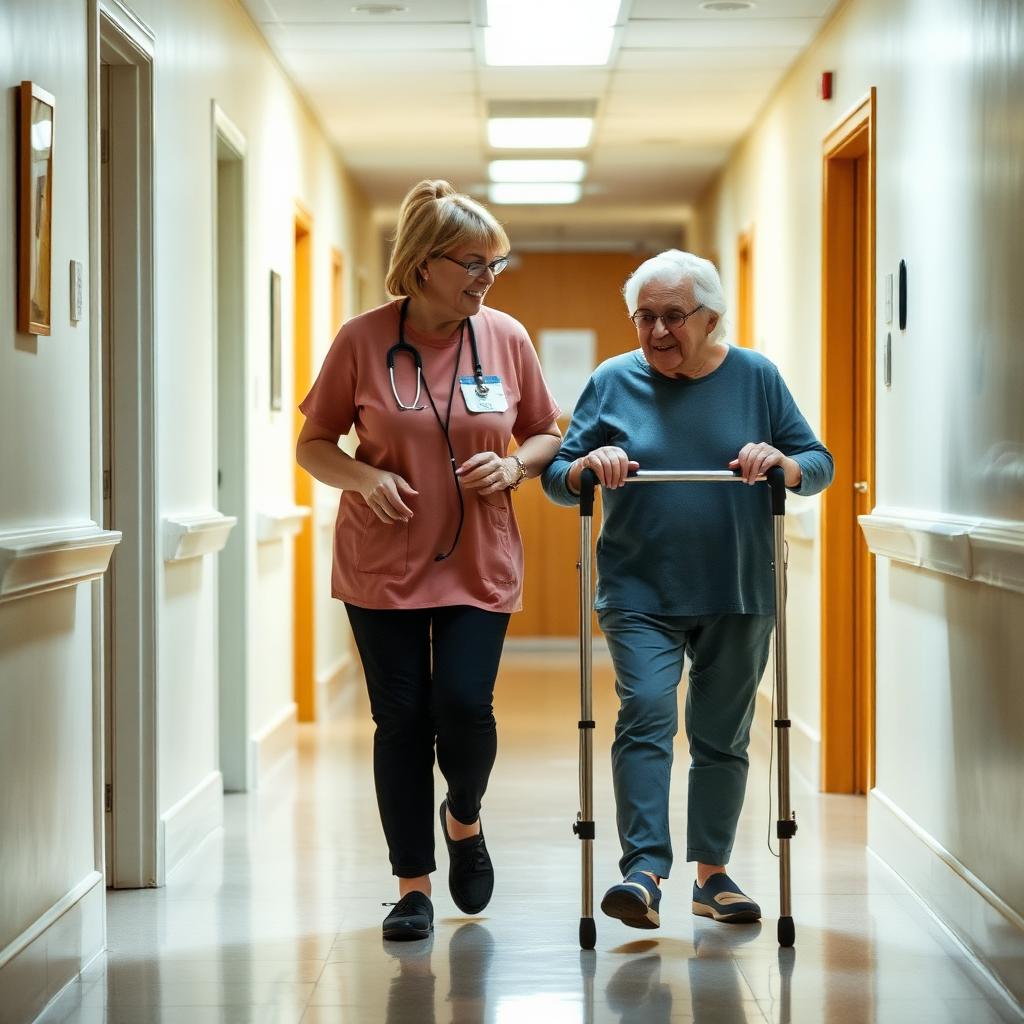
Recovery after a stroke is most rapid in the first six months — but it doesn't stop there. Our team partners with your physiotherapy and occupational therapy team to deliver the daily reps and routines that turn clinic exercises into real-world recovery.
We focus on confidence as much as movement: getting in and out of the chair, dressing the affected side, going back to the corner shop. The small wins that add up.
Carers are trained in safe transfers, communication support for aphasia, and visual-field awareness.
Everything in the package.
- Daily exercise prompts from your physio plan
- Mobility and transfer support
- Speech and communication patience
- Help dressing the affected side
- Confidence-building outings
- Liaison with physio and OT
- Falls-risk monitoring
Typically a good fit for…
- Stroke survivors recently discharged
- Clients moving from intensive rehab back home
- Adults with ongoing one-sided weakness
- People with aphasia or communication needs
A clear path from first call to settled care.
- 01
Therapy partnership
We meet your physio and OT to learn the exercise plan and goals.
- 02
Daily reps
Carers prompt and supervise daily exercises — recorded so therapy can adjust.
- 03
Confidence outings
Regular short outings rebuild the muscle memory of being out in the world.
- 04
6-week reviews
Goals are reviewed every 6 weeks with you, family and the therapy team.
Answers to the things families ask us first.
Can't see your question? Our coordinator will happily talk it through — no obligation.
Talk to a coordinatorCan you support communication after a stroke?
Yes. Carers are trained in patience, communication boards and supporting clients with aphasia.
Do you do the exercises with the client?
Yes — supervised and recorded, so your physio can adjust the plan based on real progress.
What if there's a second stroke?
Carers are FAST-trained and call 999 immediately; family and GP are notified in parallel.
You may also be looking at…
Complex care
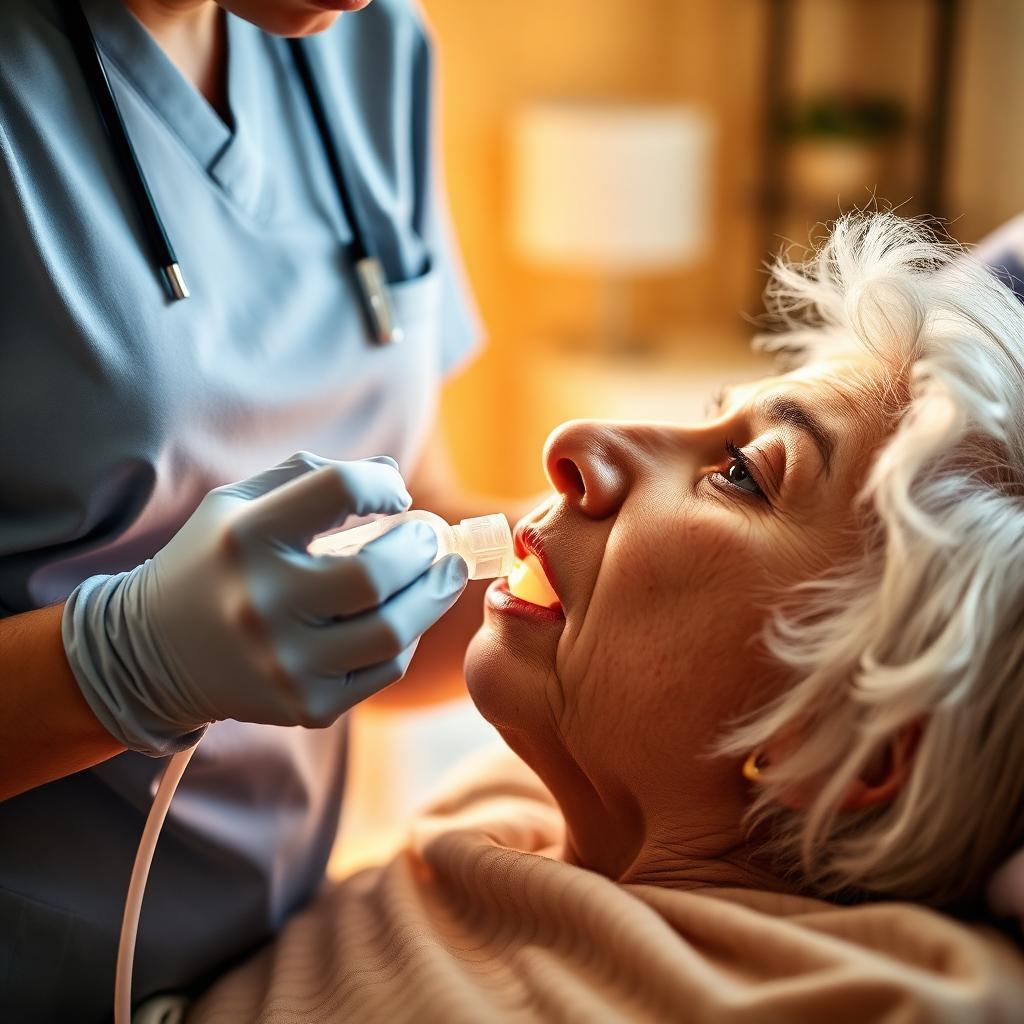
Specialist support at home from trained clinical caregivers — tracheostomy, PEG, ventilation, catheter and stoma care.
Explore service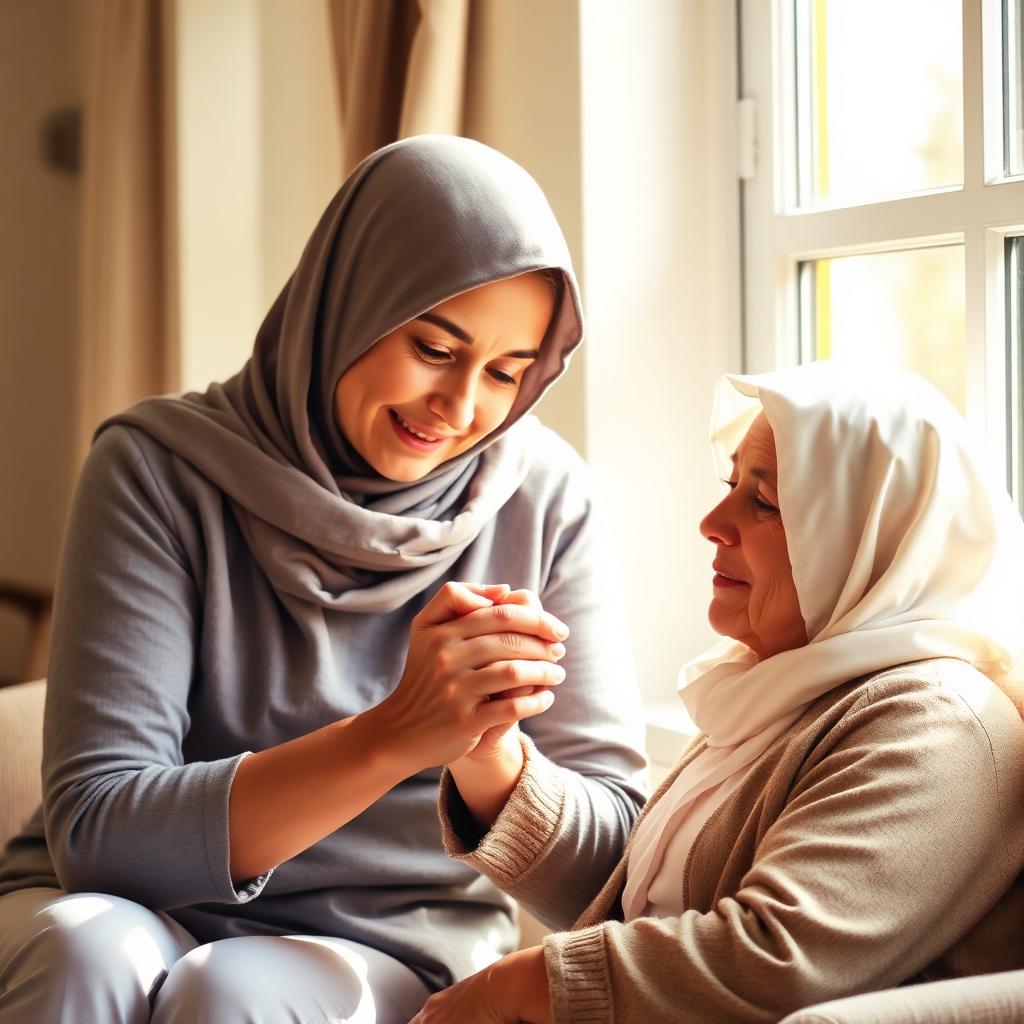
Cancer care
Sensitive, dignified support through every stage of the cancer journey, alongside your medical team.
Explore service
Living with diabetes
Helping clients stay on track with medication, diet and monitoring routines, every single day.
Explore serviceReady to take the next step?
Book a free home assessment. We'll listen first, suggest the right mix of support — and only start when you're ready.